
Fun and Fashion With Print on Demand

A plain T-shirt can become a joke between friends, a concert-memory hoodie, a birthday gift, a team uniform, or the first piece in a tiny fashion line. That is the charm of print on demand. It turns an idea into something people can wear, carry, hang, or give without needing a garage full of boxes.
At its best, print on demand feels playful. It invites experiments. A sketch from a notebook can land on a tote. A phrase from a family vacation can become a sweatshirt. A pattern inspired by your dog, your favorite dessert, or your local hiking trail can show up on leggings, mugs, stickers, or wall art.
It also has a real fashion angle. Personal style has moved far beyond whatever is hanging on a department store rack. People want pieces that feel personal, niche, funny, expressive, or hard to find. Print on demand makes that kind of fashion easier to create, test, and enjoy.

Why print on demand feels so fun
Print on demand removes one of the biggest barriers to creativity. Instead of ordering hundreds of products before knowing if anyone likes the design, items get made after someone places an order. That means a creator can try a weird idea, a seasonal theme, or a niche inside joke without taking on a pile of unsold inventory.
That freedom changes the whole creative mood.
You can make one design for a family reunion and never use it again. You can test five versions of a cat illustration. You can create a cozy fall sweatshirt, then switch to beach towels in summer. The process supports curiosity.
For people who enjoy fashion, this opens up a wide playground:
Custom T-shirts for casual outfits
Hoodies with bold artwork or small embroidered-style graphics
Tote bags that match a personal aesthetic
Leggings and activewear with original patterns
Hats, socks, and accessories with small design details
Phone cases, mugs, and stickers that extend a look beyond clothing
The fun also comes from surprise. A digital design looks one way on a screen, but it feels different when printed on cotton, fleece, canvas, or ceramic. Scale matters. Color matters. Placement matters. A tiny chest graphic gives a shirt a boutique feel. A full-back print makes the same shirt loud and expressive.
That trial-and-error process is part of the joy. It feels closer to styling than manufacturing.
Fashion is becoming more personal
For a long time, fashion moved from designer to store to shopper. Trends came from the top, then people picked from what was available. That still exists, of course, but personal style now has more room to breathe.
Print on demand fits that shift because it rewards specificity. A design does not have to appeal to everyone. It can be made for birdwatchers who love vintage colors, runners who like dry humor, teachers who want classroom-friendly sweatshirts, or friends planning a themed weekend trip.
Specific tastes make better designs. A generic “good vibes” shirt might blend into the background. A clever illustration of a nervous poodle wearing roller skates has a clearer point of view. Someone will either get it or not, and that is fine. Fashion becomes more interesting when it has personality.
This is where Fun and Fashion With Print on Demand really comes alive. It lets style become less about chasing every trend and more about wearing something that feels like a wink, a memory, or a small declaration.
Personal fashion can be subtle too. Not every custom piece needs huge lettering or neon colors. Some of the best print-on-demand pieces use:
Small line drawings near the collar
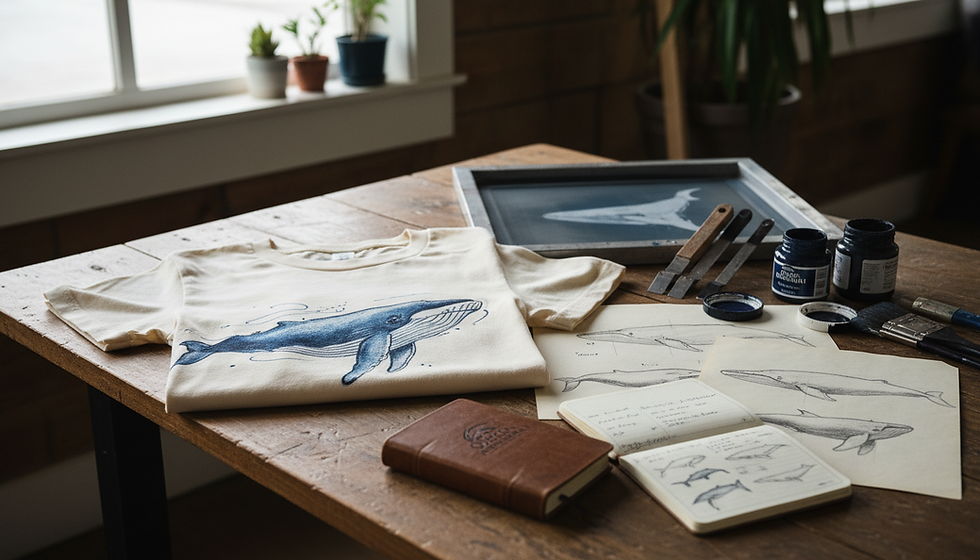
Monochrome artwork on neutral fabric
Repeating patterns in soft tones
Minimal text on heavyweight-style shirts
Tiny symbols that mean something to a small group
A custom piece can be loud, quiet, funny, elegant, nostalgic, or strange. That range is what makes it fashionable rather than just novelty.

The best products start with a simple idea
A strong print-on-demand product usually starts with one clear idea. It does not need to be complicated. In fact, simple ideas often work best because they read quickly and look good from a distance.
Think of the product as a complete piece, not just a blank item with a graphic dropped on top. A design that works on a white T-shirt might not work on a black hoodie. A detailed illustration might look great as wall art but feel too busy on socks. A bold phrase might be perfect on a tote, but awkward on leggings.
A useful way to begin is to pair the idea with the right product.
A short funny phrase
A detailed illustration
A repeating pattern
A soft seasonal design
A name, date, or event
T-shirts, mugs, hats, stickers
Posters, tote bags, oversized shirts
Leggings, scarves, blankets, phone cases
Sweatshirts, candles, mugs, pillows
Reunion shirts, team apparel, gift items
The product sets the mood. A crop tee feels different from a crewneck sweatshirt. A canvas tote feels different from a glossy mug. Materials, colors, and shapes tell part of the story before anyone reads the design.
Start with the wearer
Picture the person who would love the item. What do they wear on a normal day? Do they like bold graphics or small details? Are they buying for themselves, a group, or a gift?
This helps guide design choices. A bachelor party shirt can afford to be loud and silly. A daily hoodie should probably be comfortable, readable, and easy to style. A gift mug can be more sentimental. A tote bag may need artwork that looks cool in the grocery line, at the library, or at the beach.
Match the design to the material
Print quality depends on the product, printing method, and artwork file. Still, a few general principles help:
High-contrast designs read better on fabric.
Fine lines can disappear on textured materials.
Large prints need enough resolution to stay sharp.
Dark garments may change how colors appear.
Small text should be tested carefully before selling or gifting.
A design can be clever and still fail if it is hard to read. Fashion needs both idea and execution.
Color, type, and placement make the magic
Many print-on-demand pieces succeed because of three choices: color, type, and placement. These are the details that make something feel stylish instead of slapped together.
Color sets the first impression. Warm earth tones can make a design feel calm and vintage-inspired. Bright color combinations can make it playful. Black-and-white artwork can create a clean, wearable look. Pastels can feel soft and nostalgic.
A simple palette often works better than using every color available. Two or three colors can create a strong identity and keep the piece easy to style.
Type matters just as much. Lettering can make a design feel retro, sporty, elegant, handmade, or funny. The words are only half the message. The shape of the letters carries the rest.
A curved phrase on the back of a sweatshirt gives a different feeling than small block text on the front pocket area. Hand-drawn letters feel personal. Clean serif letters can feel classic. Chunky rounded type feels casual and cheerful.
Placement is the quiet detail that separates amateur-looking items from wearable ones.
Good placement ideas include:
Small left-chest artwork for a subtle look
Center-front graphics for classic T-shirt energy
Large back prints for statement pieces
Sleeve prints for streetwear-inspired details
Repeating all-over patterns for leggings, swimwear, or accessories
Corner artwork on totes or pillows for a more refined feel
The design does not always need to sit in the center. A slightly unexpected placement can make an item feel more considered.

Print on demand is great for gifts and special moments
One of the easiest ways to enjoy print on demand is through gifts. Custom products feel thoughtful because they can connect to a shared memory, a hobby, or a private joke.
A personalized sweatshirt can mark a family trip. A mug can celebrate a new pet. A tote can become a useful bridesmaid gift. A set of matching shirts can turn a birthday weekend into a small event. The item does not have to be expensive to feel special.
The best gift designs usually avoid being too crowded. One strong phrase, date, nickname, or illustration is enough. If the gift includes names or a personal detail, double-check spelling before ordering. That tiny step saves a lot of disappointment.
Print on demand also works well for groups. Clubs, classrooms, volunteer teams, fitness groups, and hobby communities often need small batches. Traditional custom apparel can require minimum orders, but print on demand can make smaller quantities easier to manage.
This is especially useful when sizes vary. Instead of guessing how many smalls, mediums, and larges to order ahead of time, people can often choose the size and style that suits them.
Creators can build a fashion idea without overcommitting
For artists, illustrators, and style-minded creators, print on demand offers a practical way to explore product ideas. It is not a shortcut to instant success, but it can be a low-pressure way to learn what looks good and what people connect with.
A creator might begin with a small collection:
Three T-shirt designs around one theme
Two tote bags with matching art prints
A hoodie and sticker set for a niche hobby
A seasonal capsule with one color palette
A giftable mug, card, and sweatshirt design
Keeping the first collection small makes it easier to improve. Too many designs can become messy. A focused set helps every piece feel related.
The strongest collections often share a mood. They might be cozy, sporty, surreal, nostalgic, outdoorsy, bookish, beachy, or pet-obsessed. That mood gives people a reason to browse more than one item.
Creators should order samples when possible. A sample reveals things a mockup cannot. The print may be larger than expected. The shirt color may shift the artwork. A design might need more breathing room. Seeing and touching the item helps refine future pieces.
A sample is not just a product check. It is a style check.
Common mistakes that make designs less wearable
Print on demand gives people room to experiment, but a few mistakes show up often.
The first is trying to say too much. A shirt is not a poster with unlimited reading time. If someone needs 20 seconds to understand the joke, the design may be too complex for clothing.
The second is ignoring garment color. A beautiful black drawing will disappear on a dark navy shirt. Pale yellow text may vanish on white. Contrast matters.
The third is using artwork that is not clean enough for the product size. Small pixelated images can look rough when printed large. Starting with high-quality files helps the final product look intentional.
The fourth is copying trends too closely. Inspiration is normal. Copying another artist, brand, or copyrighted character is not. Original work is safer, more satisfying, and more likely to age well.
The fifth is forgetting comfort. A clever shirt that nobody wants to wear will sit in a drawer. Fabric feel, fit, and color choice all affect whether a custom item becomes a favorite.
How to make print-on-demand fashion feel fresh
Freshness does not always mean doing something wild. Sometimes it means combining familiar pieces in a more personal way.
Try pairing a funny phrase with a polished type style. Put a delicate nature drawing on a sporty sweatshirt. Use a vintage-inspired color palette for a modern phone case. Turn a child’s doodle into a minimalist tote. Create matching items that are related but not identical.
Small choices can make a big difference:
Use one signature color across several products.
Create a design in both bold and subtle versions.
Offer artwork on items people actually use.
Leave more blank space than feels necessary.
Think about how the item looks in a real outfit.
The most wearable custom pieces feel like they belong in someone’s closet, not just in a novelty drawer.

The real appeal is creative freedom
Print on demand brings together play, style, and practical production. It lets people make fashion more personal without needing a warehouse, sewing machines, or a massive budget. It gives gift-givers more meaning, creators more room to test ideas, and shoppers more ways to find pieces that feel like them.
The fun comes from making something specific. The fashion comes from making it wearable.
Start with one clear idea, choose a product that supports it, and pay attention to color, placement, and comfort. A simple custom T-shirt, hoodie, tote, or mug can carry a surprising amount of personality when the design feels honest and well made.
That is the joy of print on demand. It turns imagination into something you can pull over your shoulders, carry out the door, or wrap up for someone who will understand the joke right away.

Comments